
Dental Bridges
Dental Bridges
Restore Your Smile and Functionality with Bulvardis Dental Bridges
Dental bridges effectively replace missing teeth to restore oral function and aesthetics, giving patients back their confident smiles.
At Bulvardis, we offer advanced dental bridges that perfectly match your natural tooth line, granting you the freedom to chew, speak, and smile with confidence.
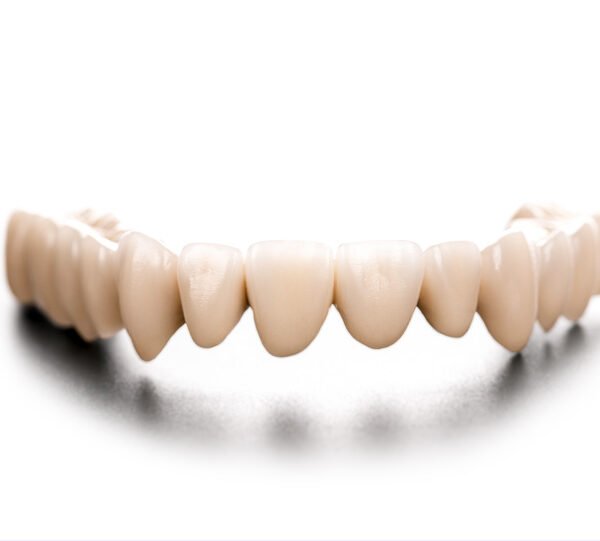
Dental Bridge Procedure
Treatment Detail
Specification
Anesthesia
Local
Procedure Time
1 to 2 Hours
Stay in Istanbul
3 to 5 Days
Return to Social Life
1 to 3 Days
Başlık Metninizi Buraya Ekleyin
What are Dental Bridges?
Dental Bridges are a fixed restorative method used to replace one or more missing teeth. To fill the gaps, these bridges rely on adjacent teeth to support the replacement. Typically, they consist of one or more artificial teeth (pontics) anchored by two neighboring teeth, known as “abutment teeth,” which act as pillars to bridge the empty space.
A dental bridge mimics your natural teeth in both appearance and function, effectively resolving issues like chewing difficulties or speech impediments caused by tooth loss. The process involves preparing the support teeth and bonding the bridge. Made from high-quality porcelain, metal, or a combination of both, bridges offer a durable, long-term solution for a complete smile.
How is the Procedure Performed?
The dental bridge procedure is a systematic treatment designed to fill gaps left by missing teeth. The process usually involves several stages. First, the dentist evaluates the gap and reshapes the adjacent teeth to serve as sturdy anchors for the bridge. This preparation is essential to ensure the porcelain or metal-ceramic crowns fit securely over the support teeth.
Next, a temporary bridge is placed to protect the reshaped teeth. In the second stage, precise oral impressions are taken to create a custom-made model for your permanent bridge. Your dentist ensures the final design matches your natural tooth color and shape. Finally, the permanent bridge is bonded and adjusted for a perfect bite. Your dentist will conduct final checks to ensure comfort and functionality.
While maintenance is similar to natural teeth, regular check-ups are vital. The procedure is generally painless, though some patients might experience minor temporary sensitivity.
What to Consider Before Getting a Bridge?
There are several key factors to consider before opting for dental bridges. First, a comprehensive evaluation by your dentist is necessary to assess your overall oral health. Since bridges rely on surrounding teeth for support, those anchor teeth must be strong and healthy. Any existing decay, infection, or gum disease must be treated before the bridge can be installed.
Furthermore, the suitability of the jawbone and tooth structure in the missing area must be examined. You should also discuss your aesthetic goals and material preferences with your dentist. Options like Zirconium, full porcelain, or metal-supported bridges are available, each offering unique benefits and durability levels.
Lastly, understanding the hygiene requirements for long-term success is crucial. By considering these factors, you can achieve a solution that is both functional and aesthetically pleasing.
What are the Advantages of Dental Bridges?
Dental bridges provide a versatile solution for tooth loss. Here are the primary benefits:
- Aesthetic Appeal: Bridges are designed to blend seamlessly with your natural teeth for a beautiful smile.
- Functional Restoration: They restore essential daily functions such as chewing and clear speech.
- Less Invasive: Compared to other restoration methods, bridges are often quicker and require less surgery.
- Prevents Shifting: They stop adjacent teeth from drifting into the gap, preserving your facial structure.
- Fast Results: The treatment is completed in a short timeframe, providing a rapid solution for gaps.
- High Durability: With proper oral hygiene, these bridges can last for many years.
- Patient Comfort: They offer a high level of comfort, allowing patients to adapt to them almost instantly.
- Non-Surgical Option: Bridges provide a reliable alternative for those who may not be candidates for implants.
These advantages make dental bridges a popular and effective choice for patients dealing with tooth loss.
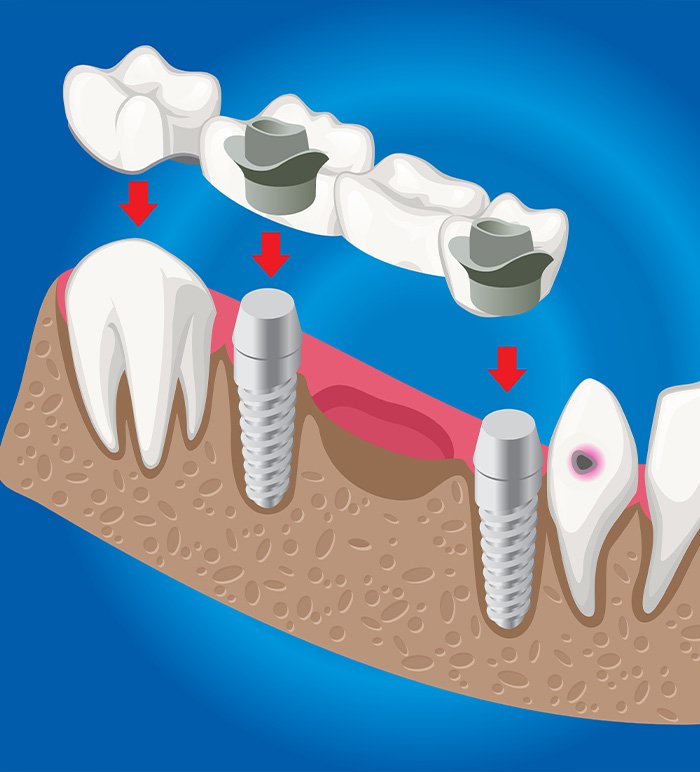
Alternative Treatment Methods
There are several alternatives to dental bridges for replacing missing teeth, depending on your clinical needs. One of the most popular options is the dental implant.
An implant involves placing a titanium screw into the jawbone to act as a root, providing a high level of stability and mimicking natural tooth function. Implants are widely considered the gold standard for long-term aesthetic and functional restoration.
Another alternative is removable dentures, commonly known as false teeth. This method involves artificial teeth that can be taken out and cleaned. While dentures are less invasive than bridges, they may offer less stability and comfort for some patients.
Additionally, technological advancements like digital dental restorations offer modern alternatives. Since every case is unique, consulting with a professional dentist is essential to determine which treatment fits your lifestyle.
When are Dental Bridges Preferred?
Dental bridges are a preferred solution in various clinical scenarios. Below are common situations where a bridge is the ideal choice:
- Single Tooth Loss: When one tooth is missing, the bridge anchors to healthy adjacent teeth to fill the gap.
- Multiple Missing Teeth: Bridges can span larger gaps to restore full mouth functionality.
- Ineligibility for Implants: If a patient lacks sufficient bone density for implants, a bridge is an excellent alternative.
- Aesthetic Enhancement: Bridges are frequently used to improve the smile, especially for visible front teeth.
- Restoring Bite Function: They are ideal for patients who have lost their ability to chew effectively.
- Complete Tooth Replacement: When the natural root is gone, a bridge provides a stable, long-lasting replacement.
How to Care for Your Dental Bridge?
Proper maintenance is vital for the longevity of your dental bridge. To keep the restoration healthy, regular brushing and specialized flossing are mandatory. You should brush your teeth at least twice a day using a soft-bristled brush, paying close attention to the area where the bridge meets the gums.
Furthermore, using a “bridge threader” or interdental brush to clean underneath the bridge is crucial, as plaque and food particles can accumulate there. Electric toothbrushes can also be very effective for maintaining these hard-to-reach areas.
Protecting the health of the supporting teeth prevents decay and gum disease. It is also wise to avoid biting down on extremely hard objects or sticky candies that could loosen the bridge. Regular dental check-ups and professional cleanings will ensure your bridge remains in top condition for years.
Post-Procedure Nutrition Tips
Following a proper diet after your dental bridge procedure is essential for healing and treatment success. For the first 24–48 hours, avoid hard, extremely hot, or acidic foods to allow the tissues to recover. During this initial phase, focus on soft, room-temperature foods with smooth textures.
Items like soup, mashed vegetables, yogurt, and bananas are easy to consume without irritation. To protect the bridge, avoid applying direct pressure or heavy chewing on the treated side. While maintaining oral hygiene is important, be careful to ensure that sticky foods do not get trapped around the new bridge.
In the long run, minimizing very hard or sticky foods will prevent the bridge from loosening or sustaining damage. Following these nutritional guidelines will ensure a smooth and healthy recovery process.
Frequently Asked Questions
If one of the teeth supporting a dental bridge needs to be removed after it’s fitted, the entire bridge may need to be remade. This is because dental bridges are supported by interconnected structures, and replacing one tooth affects the entire structure.
Dental bridges can last for many years, but over time some problems may arise. These problems may include the bridge loosening, gum inflammation, or wear on the surrounding teeth. Regular dental checkups can help detect these types of problems early.
Dental bridge treatment is generally painless. No pain is felt during the procedure because local anesthesia is used. However, there may be slight discomfort or sensitivity after the procedure, which usually subsides within a few days.
Dental bridges are designed to blend seamlessly with natural teeth, providing a highly natural aesthetic appearance. Modern dental bridges are made with high-quality materials that mimic your teeth, so the difference in your smile isn’t immediately noticeable.
Initially, an adjustment period may be necessary after dental bridges are fitted, but eating becomes more comfortable once the bridge is in place. It is recommended to avoid hard and sticky foods, but you can resume your normal diet.