
Prosthodontics
Prosthodontics
Restoring Function and Aesthetics with Bulvardis
Nothing is more important for an individual’s self-confidence—both internally and externally—than a complete and functional smile.
Prosthodontics is the specialized branch of dentistry focused on replacing missing teeth lost due to disease, decay, or injury. Each of our highly trained prosthodontic specialists is dedicated to providing you with the best personalized treatment to restore your smile to optimum health and beauty.
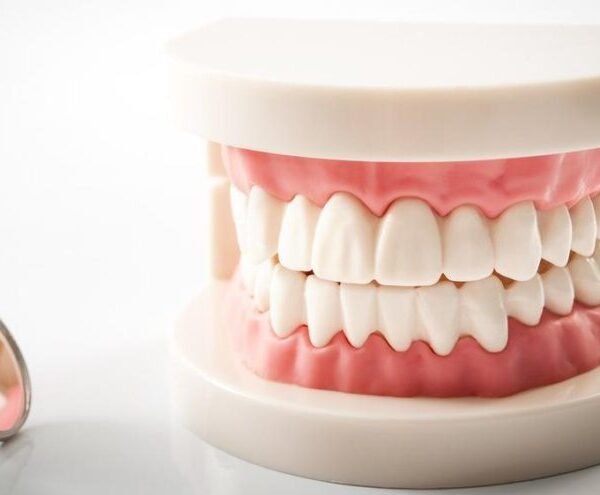
Prosthodontic Treatment Procedure
Treatment Detail
Specification
Anesthesia
Local
Procedure Time
1 to 3 Hours
Stay in Istanbul
3 to 5 Days
Return to Social Life
1 to 3 Days
Başlık Metninizi Buraya Ekleyin
What is Prosthodontic Treatment?
Prosthodontic treatment, also known as prosthetic dentistry, is a method designed to improve a person’s quality of life by making them feel better aesthetically. The prostheses applied in this treatment fulfill essential functions such as chewing and speaking, and are effective in protecting the patient’s physiology and social life.
Dental health can suffer permanent or temporary damage due to genetic and environmental factors. Different types of prostheses are used particularly in problems resulting in tooth loss to restore function and eliminate aesthetic concerns. This application is performed by a specialized dental professional.
Why is Prosthodontic Treatment Performed?
Prosthodontic treatment is performed to replace teeth lost over time using prosthetic methods, giving the patient an aesthetic appearance. It may be performed for the following reasons:
- Functional Restoration: It plays a critical role in restoring the balance of the oral mechanism.
- Speech Correction: Damage to the enamel layer, which ensures the clarity of sound and speech, can be repaired through prosthetic treatment.
- Aesthetic Correction: It can be performed to achieve the desired look for enamel areas that are aesthetically rough, misshapen, broken, or unsightly.
- Tissue Renewal: The treatment aims to renew the surrounding oral tissues, contributing to the standard of function, aesthetics, and phonation (sound production).
Who is Suitable for Prosthodontic Treatment?
Prosthodontic treatment can be applied for aesthetic purposes to individuals with missing teeth or those with material and tissue loss in their teeth. Additionally, it is a treatment applied to those who have suffered tooth loss due to serious illnesses or traumatic events. The areas where prosthodontic treatment is predominantly preferred include:
- Individuals facing severe physical or psychological issues due to enamel loss or defects.
- Individuals wishing to correct aesthetic problems.
- Cases of significant enamel wear.
- Functional disorders that may emerge gradually due to certain diseases or trauma.
- Individuals with jawbone deformities who have difficulty aligning teeth or fulfilling oral functions.
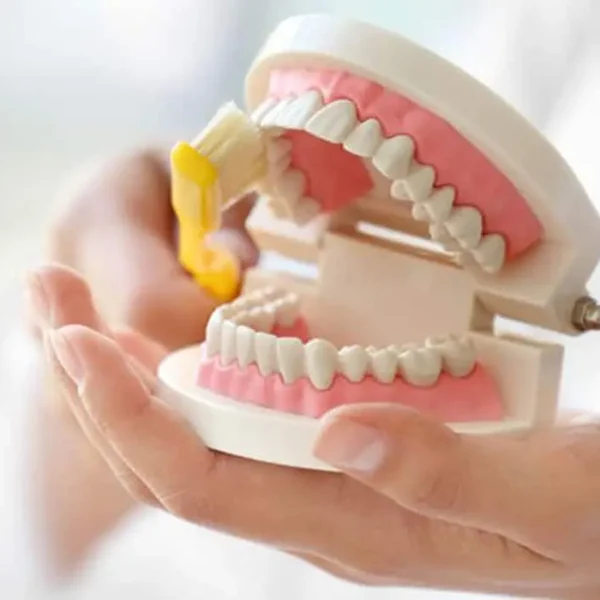
Methods Used in Prosthodontic Treatment
The methods applied in prosthetic dentistry can be listed as follows:
- Bridges: Teeth on the right and left sides of the missing area are filed down, and a bridge prosthesis is fitted into the gap. It is a traditional and widely used method.
- Ceramic Veneers: This method is prominent in cases of enamel deformation, decay, or regional damage such as fractures. It is highly preferred for resolving aesthetic concerns.
- Implants: A medical application performed surgically inside the jawbone. Titanium-supported materials are placed via a screw process. An advantage is that it restores a single tooth without damaging neighboring teeth.
- Crowns: Known as “capping,” this process fills or covers the gaps. The tooth is cut to a certain proportion, and a crown is fixed over it.
- Removable Dentures: Often referred to as “palate dentures,” these are used in cases of total tooth loss. Various prosthetic alternatives are available.
Advantages of Prosthodontic Treatment
The advantages of prosthetic dental treatment include:
- Vital Functions: Restoring normal processes by eliminating negative conditions in functions like chewing and speaking.
- Aesthetics: Allowing the person to use their smile and facial expressions naturally.
- Psychological Well-being: Helping the person feel better and avoid anxiety.
- Prevention: Assisting in the reduction of disease risks by protecting overall oral health
Frequently Asked Questions
The extent of the enamel damage, its negative effects, and the aesthetic outcome are assessed. This allows for a personalized approach to materials and treatment.
Prosthetics encompasses the entire process, while prosthetics evaluates the material.
The duration of prosthetic dental treatment varies from person to person. First, if a tooth extraction is necessary, the tissue and the empty space are prepared for the procedure over a period of 2-3 months. Afterwards, the prosthesis is fitted, including impressions and fittings, in an average of 4 sessions. This process generally takes 2-3 weeks.
Mild discomfort or pressure can be expected immediately after denture fitting; this is part of the process of your oral tissues adjusting to the new prosthesis. Generally, pain and sensitivity decrease within a few days; it is important to consult your dentist if you experience severe or prolonged pain.
Dental prostheses are generally devices that need to be replaced every 5-10 years. However, the lifespan of a dental prosthesis can be shorter or longer depending on its condition and usage.
Prosthetic teeth, when made correctly, can feel like natural teeth, but an initial adjustment period may be necessary. Over time, they will adapt to your mouth and provide comfortable use.