
Root Canal Treatment
Root Canal Treatment
Preserving Your Natural Smile with Specialist Care at Bulvardis
We are among the leading specialists in preserving your natural teeth through root canal treatments, designed to save damaged or infected teeth from extraction. Our expert dental care professionals utilize the latest technologies and techniques to ensure the procedure is as painless as possible while keeping your smile natural and healthy.
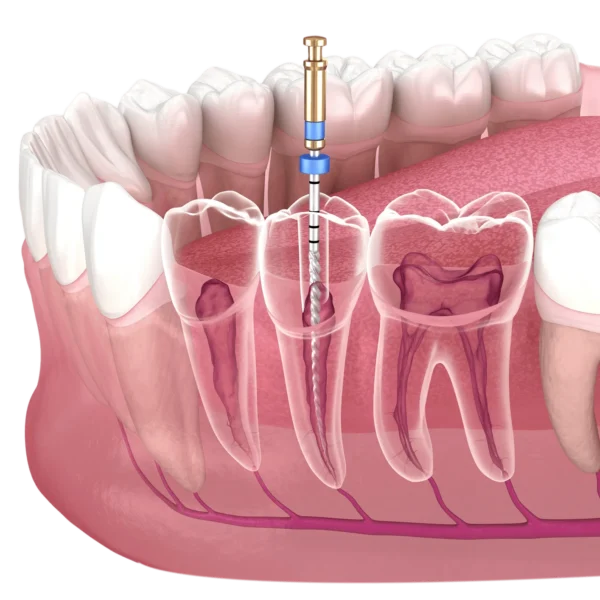
Endodontic treatment involves treating infections or damage within the dental pulp—the soft tissue inside the tooth that contains blood vessels and nerves. If this tissue becomes infected or inflamed due to deep decay, injury, or other factors, it must be removed. The interior of the tooth is then meticulously cleaned, disinfected, and sealed to prevent future infections.
Root Canal Treatment Procedure
Treatment Detail
Specification
Anestezi
Local
Procedure Time
1 to 2 Hours
Stay in Istanbul
1 to 2 Days
Return to Social Life
1 Day
Başlık Metninizi Buraya Ekleyin
What is Root Canal Treatment?
Endodontic treatment, commonly known as a root canal, is the process of removing pulp tissue that has become inflamed or infected by microorganisms. The procedure involves cleaning and shaping the canal cavity and filling it with biocompatible sealing materials. Root canal therapy is applied when the tooth root is affected by decay or various traumas. The primary goal is to prevent tooth loss, allowing the tooth to function normally and remain active within the jawbone.
How is a Root Canal Performed?
During a root canal, an access hole is made in the top of the tooth to reach the root. The nerves, blood vessels, and damaged tissues are removed, and the canals are thoroughly cleaned and disinfected. Finally, the empty pulp chamber is filled with specialized dental materials and sealed.
This process may be extended depending on the extent of the infection. Temporary fillings are used until the infection is fully resolved. Every tooth has a different number of canals: incisors usually have one, premolars have two, and molars can have three or four. The number of canals can vary from person to person, and some teeth may even have extra “accessory” canals that must all be treated for success.
Who is a Candidate for Root Canal Treatment?
Root canal therapy is necessary when the internal pulp is inflamed or infected. Common reasons include:
- Deep Decay: Cavities that reach the inner chamber of the tooth lead to nerve inflammation and infection.
- Dental Trauma: Accidents or impacts can damage the root canals and increase infection risks.
- Fractures: Cracked or broken teeth, especially those involving the root, often require endodontic intervention.
- Age Group: While most common in adults with fully developed teeth, it can be applied to children in specific cases, considering their dental development.
- Preventing Tooth Loss: Eliminating infection is the most critical step in saving a tooth that would otherwise need to be extracted.
How Long Does Recovery Take?
If the tooth was heavily infected before the treatment, the full biological recovery of the surrounding tissues can take between 6 to 24 months. This does not mean you will be in pain during this period; rather, it is the time required for the body to replace infected tissue with healthy, normal tissue.
If the infection had not yet spread to the surrounding tissues, healing typically takes 1 to 3 weeks. While the internal canals are treated immediately, the surrounding area remains prone to sensitivity for a short duration following the procedure.
Post-Treatment Considerations
To ensure a smooth recovery after a root canal, please keep the following points in mind:
- Avoid Hard Foods: Do not bite down on hard or shelled foods until the final restoration (crown or permanent filling) is completed.
- Maintain Hygiene: Continue your daily cleaning routine. Brush gently at least twice a day using circular motions, keeping your tooth sensitivity in mind.
- Floss Daily: Use dental floss at least once a day to prevent new infections. Your dentist can recommend the best flossing technique for your specific anatomy.
- Reduce Sugar Intake: Limit sugary and sticky foods. Sugar is a primary cause of decay and can compromise both oral and systemic health.
- Follow Medication: Use any pain relief sprays or medications recommended by your dentist regularly. If the pain does not subside despite medication, contact our clinic immediately.
Frequently Asked Questions
Treatment duration varies depending on the number of root canals and the severity of the infection. Generally, a session lasts between 45 and 90 minutes. If there is active inflammation or an abscess in the tooth, medication may need to be placed in the root canals and a few days may be required; in this case, treatment may be completed in 2-3 sessions.
No. Thanks to advanced local anesthesia techniques, you won’t feel any pain during the procedure. The process feels similar to a standard filler injection.
It is normal to experience slight tenderness (especially when pressure is applied) during the first few days after treatment, as it takes time for the tissues at the root tip to heal. However, pain that begins months later may indicate a leakage of the filling, the formation of new decay, or a recurrence of inflammation at the root tip.
During root canal treatment, the nerves that keep the tooth alive are completely removed, so the tooth can no longer respond to external stimuli such as hot or cold. This is inherent to the nature of the treatment.
The success rate is around 90-95% when the correct technique is used. If a good restoration (crown or porcelain filling) is applied after treatment and oral hygiene is maintained, these teeth can last a lifetime.