
Periodontics
Periodontics
Specialized Gum Care at Bulvardis
At Bulvardis, we prioritize the health of your gums, which form the essential foundation of a healthy and beautiful smile.
Periodontics is the branch of dentistry dedicated to the prevention, diagnosis, and treatment of periodontal diseases, as well as the placement of dental implants. Our periodontists utilize advanced techniques to ensure your gums remain healthy and firm, providing the necessary support for lifelong oral health.
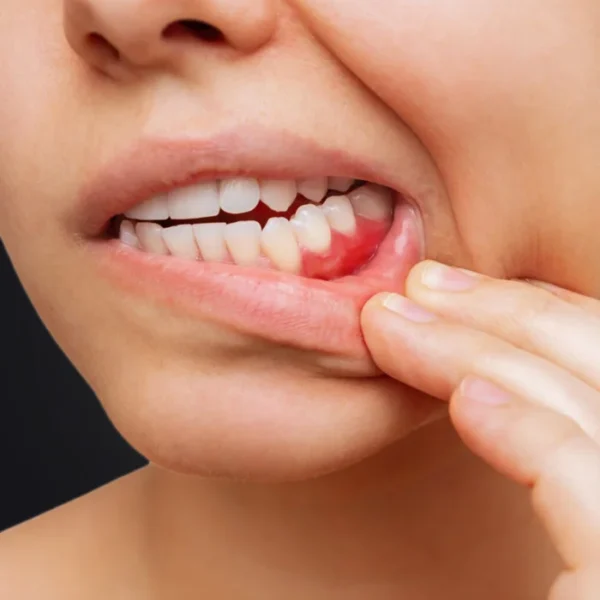
Periodontology Procedure
Treatment Detail
Specification
Anesthesia
Local
Procedure Time
1 to 2 Hours
Stay in Istanbul
3 to 5 Days
Return to Social Life
1 to 3 Days
Başlık Metninizi Buraya Ekleyin
What is Periodontology and What Does a Periodontist Do?
Periodontology is the dental specialty that studies the health of the supporting structures surrounding the teeth, including the gums, jawbone, and connective tissues. Periodontal specialists diagnose and treat gum diseases while helping to prevent problems such as gum recession, inflammation, and infection.
Because damage to the supporting tissues can lead to tooth loss, periodontal treatment is vital for both oral and overall systemic health. Periodontists detect gum disease in its early stages to protect the natural teeth. In advanced stages, they perform surgical interventions to promote tissue and bone regeneration. A periodontist focuses on the following key areas:
- Gingiva: The gum tissue.
- Periodontal Ligament: Connective tissue fibers that attach the teeth to the jawbone.
- Cementum: The thin, bony layer covering the tooth roots.
- Alveolar Bone: The part of the jawbone that contains the tooth sockets.
How to Prevent Periodontal Diseases
To maintain healthy gums and prevent the progression of periodontal issues, we recommend the following habits:
- Brush Regularly: Brush your teeth twice a day or after every meal.
- Use the Right Tools: Use a soft-bristled toothbrush and replace it at least every three months.
- Go Electric: Consider an electric toothbrush, which can be more effective at removing plaque and tartar.
- Floss Daily: Do not forget to clean between your teeth every single day.
- Use Mouthwash: Use an antibacterial mouthwash to help reduce plaque between teeth.
- Professional Cleaning: Schedule professional dental cleanings regularly according to your dentist’s recommendation.
- Avoid Tobacco: Do not smoke or use any tobacco products, as they significantly increase gum disease risk.

Conditions Treated in Periodontology
Periodontology focuses on the prevention, diagnosis, and treatment of several key conditions to protect your oral health:
- Gingivitis: Characterized by inflammation, bleeding, swelling, and sensitivity. It is often caused by poor hygiene and is reversible in its early stages.
- Periodontitis: An advanced form of gum disease that damages the bone and tissues surrounding the teeth, often leading to tooth loss if left untreated.
- Gum Recession: The process where the margin of the gum tissue wears away or pulls back, exposing more of the tooth or the tooth’s root.
- Root Infections: Infections that develop at the tooth roots as a result of deep-seated periodontitis, damaging sub-gingival tissues.
- Swelling and Pain: Advanced infections caused by bacterial buildup under the gum line.
- Halitosis (Bad Breath): Persistent bad breath is often a clinical symptom of underlying periodontal disease.
- Periodontal Bone Loss: As periodontitis progresses, the bone structure supporting the teeth deteriorates, leading to tooth mobility and eventual loss.
Frequently Asked Questions
The duration of periodontological treatment varies from person to person, ranging from 3 weeks to 6 months. For successful treatment, smoking, tobacco products, and alcohol should be avoided. Additionally, diabetes, chronic diseases, and radiation exposure are factors that can affect the treatment process.
Gum recession can occur due to brushing too hard, gum disease, or improperly done fillings/crowns. Treatment primarily involves eliminating the underlying cause of the recession. If it is aesthetically bothersome, the receding area can be covered with a “gum graft” (tissue transfer from another area).
Yes, they are very closely related. The bacteria that cause gum disease produce foul-smelling sulfur compounds in the mouth. It’s impossible to eliminate bad breath simply by using mouthwash or chewing gum without treating gum inflammation.
Loose teeth indicate that the bone holding the tooth is eroding (periodontitis). However, not every loose tooth needs to be extracted. Modern periodontal treatments, laser applications, and bone grafting can restore the health of the tissues surrounding loose teeth, extending the tooth’s lifespan.
Gum disease, characterized by chronic inflammation and bacterial infection in the gums that can enter the bloodstream, triggers systemic inflammation and negatively impacts cardiovascular health. Periodontal inflammation, in particular, can contribute to plaque buildup in blood vessel walls and increase the risk of atherosclerosis.
Gum disease can recur after treatment if proper oral hygiene is not maintained. Regular brushing, flossing, and professional cleanings can prevent recurrence.