3D Guided Implant
3D Guided Implant
High-Precision Implant Placement at Bulvardis
Bulvardis stays at the forefront of the latest advancements in modern dentistry. Therefore, when performing implant surgery, we integrate the use of 3D guided implants. Bu is done to ensure maximum accuracy, safety, and speed throughout the entire application.
The procedure utilizes computer-aided design (CAD) and 3D imaging to create a unique surgical plan. This allows our highly trained dental staff to achieve optimum results using minimally invasive procedures, ensuring a seamless experience for every patient.
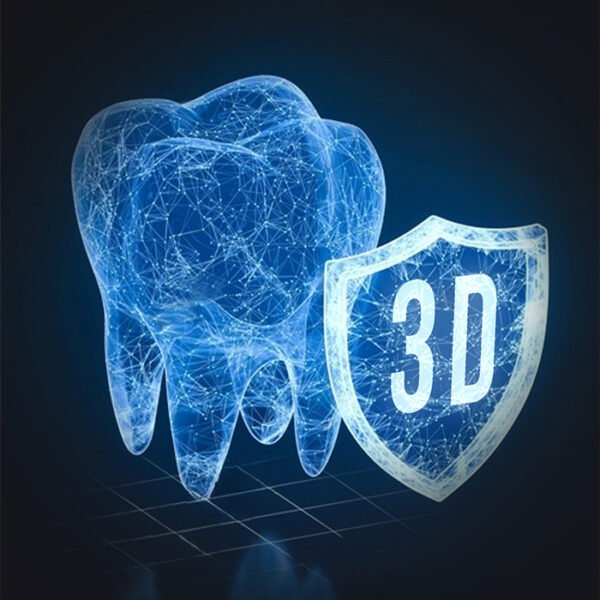
3D Guided Implant Treatment Procedure
Treatment Detail
Specification
Anesthesia
Local
Procedure Time
1 to 2 Hours
Stay in Istanbul
3 to 5 Days
Return to Social Life
1 to 3 Days
Başlık Metninizi Buraya Ekleyin
What are 3D Guided Implants?
How is Digital Scanning Used During 3D Placement?
3D Guided Implant Placement is a modern dental method used to place implants with much higher precision and safety than traditional techniques. In this approach, digital imaging technologies are used to scan and analyze the patient’s jaw structure and gum tissues in three dimensions. This data is then used to pinpoint the exact location for the implant.
By using computer-generated surgical guides, implants are placed at pre-determined angles and depths. This significantly reduces the risk of complications and enhances the overall success of the treatment. 3D guided placement offers superior accuracy and patient comfort compared to conventional methods.
In the 3D implant placement process, digital scanning allows for a meticulous examination of the patient’s oral anatomy. This scan creates a detailed 3D map of the mouth and jaw, helping the surgeon identify the optimal site for the implant. The data obtained through digital scanning makes comprehensive planning possible long before the surgery begins.
The surgeon performs a pre-operative simulation on the digital images, ensuring that the implant is placed at the most accurate point during the actual procedure. This digital foresight significantly increases the precision and predictable success of the surgical process.
Advantages of 3D Dental Implants
- Perfect Fit: Because the implant is planned specifically for the patient’s unique jaw structure, it integrates flawlessly with the bone and surrounding tissues.
- High Success Rate: The superior fit and precise placement increase the long-term survival rates and treatment success.
- Natural Aesthetics: Ensuring the implant is perfectly aligned with the gums and adjacent teeth results in a more natural and aesthetic smile.
- Improved Function: Patients can experience better chewing, speaking, and overall oral functionality.
- Reduced Surgical Risk: Accurate digital planning minimizes the risks and uncertainties that can occur during manual surgery.
- Rapid Recovery: The precise, minimally invasive nature of the fit helps the healing process be faster and more comfortable.
- Reduced Need for Grafting: Custom-planned implants can sometimes optimize the use of existing bone, potentially reducing the need for bone grafts.
Disadvantages of 3D Dental Implants
- Higher Cost: The production and planning process for custom 3D guides is more expensive than standard implant procedures.
- Advanced Planning Time: Designing and manufacturing the digital guide may take slightly longer than traditional implant preparations.
- Technological Requirements: This method requires advanced dental technology and specific clinical expertise to execute correctly.
Who are the Ideal Candidates for 3D Guided Implants?
3D Guided Placement is suitable for individuals who meet the following criteria:
- Individuals with Tooth Loss: This is an ideal solution for anyone missing teeth, from a single gap to full-mouth restoration.
- Adequate Bone Structure: Bone density is crucial for stability. While those with sufficient bone are ideal, others may still qualify after a bone graft.
- Healthy Gums: Having healthy periodontal tissues increases the success rate. Gum diseases should be treated before starting the implant process.
- Non-Smokers or Those Willing to Quit: Since smoking can hinder the healing process, non-smokers are generally better candidates for successful integration.
- Seeking Long-Term Solutions: Implants offer a permanent fix, making them perfect for those looking for a lifelong dental restoration.
- Good General Health: Individuals with controlled chronic conditions and a strong immune system are well-suited for a smooth recovery.
Frequently Asked Questions
In the classic method, the dentist places the implant based on their experience. In the 3D-guided method, however, everything is planned digitally beforehand, so the margin of error is close to zero. Furthermore, the procedure can often be performed without cutting the gum (sutureless).
Yes, that’s usually the case. Thanks to the guide, the exact placement of the implant is determined, so the gum doesn’t need to be opened extensively; only a small hole, just big enough for the implant, is made. This minimizes swelling, pain, and bleeding after the operation.
Absolutely. Especially in situations where work needs to be very close to nerves passing through the jawbone or to the roots of adjacent teeth, the guide eliminates the risk of nerve damage. The safe zone is marked by the computer.
It can be used in all cases, but is particularly preferred in the following situations:
In completely edentulous mouths,
In high-risk areas where bone volume is very limited,
In cases where teeth will be fitted on the same day (immediate loading),
In patients who are afraid of surgery or who want a quick recovery.
Although the preparation phase (digital planning) takes some time, the surgical procedure time is significantly shortened. A standard implant placement procedure can be completed in a very short time, such as 5-10 minutes, using this method.
3D-guided implant treatment has a very high success rate, typically exceeding 95%. This high success rate is due to more accurate placements and shorter recovery times, as treatment planning is done digitally.